Vacation rentals face unique security challenges. Unlike your primary residence, you’re not there to monitor things. Unlike hotels, you don’t have on-site staff. Your property sits empty between guests, and you’re trusting strangers with access.
Good security protects your investment, gives guests peace of mind, and prevents the kinds of incidents that lead to claims and bad reviews.
Physical Access Control
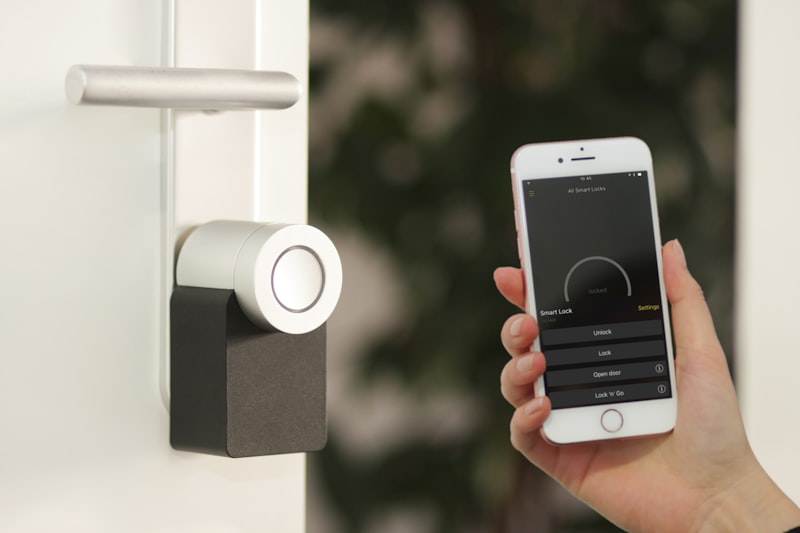
Smart Locks: The Modern Standard
Smart locks have become essential for vacation rentals. They eliminate key management hassles and provide better security than traditional locks.
Benefits of smart locks:
| Feature | Benefit |
|---|---|
| Unique codes per guest | Know exactly who accessed and when |
| Remote code management | Change codes instantly from anywhere |
| No key handoffs | Guests access independently |
| No lost keys | Nothing physical to lose or copy |
| Access logs | Record of all entries |
| Auto-lock features | Property secures itself |
Popular options:
- Schlage Encode: Reliable, works with many platforms
- Yale Assure: Clean design, good app
- August Smart Lock: Works with existing deadbolt
- Kwikset SmartCode: Budget-friendly, dependable
What to look for:
- Platform integration (Airbnb, your PMS)
- Battery life and low-battery alerts
- Manual key backup (for emergencies)
- Weather resistance (for exterior doors)
- Remote access capability
Code Management Best Practices
Generate unique codes for:
- Each guest reservation
- Cleaning crew
- Maintenance personnel
- Property manager
- Emergency backup
Code hygiene:
- Change guest codes between every stay
- Use codes that aren’t easily guessed
- Don’t reuse codes
- Revoke codes immediately when access should end
- Audit active codes regularly
Secondary Access Points
Don’t forget other entry points:
- Garage doors: Smart garage controllers available
- Back/side doors: Need same security level as front
- Windows: Locks functional and used
- Sliding doors: Security bars or smart locks
- Gates: Secure access to yard/pool areas
Surveillance and Monitoring
Exterior Cameras
Exterior cameras are generally accepted and often expected at vacation rentals.
Appropriate locations:
- Front door/entrance
- Driveway/parking area
- Back yard (common areas)
- Pool/hot tub area (if applicable)
Benefits:
- Deter unauthorized visitors
- Document who enters property
- Monitor for parties or over-occupancy
- Evidence if incidents occur
- Check on property remotely
Disclosure requirements:
- Must disclose all cameras in listing
- Platforms require camera disclosure
- Many jurisdictions have specific rules
- Transparency builds trust
Interior Cameras: Generally Prohibited
Do not place cameras inside the rental:
- Violates platform policies
- Illegal in most jurisdictions
- Destroys guest trust
- Creates liability exposure
Even “security” justifications don’t overcome privacy expectations inside the home.
Noise Monitoring
Noise monitors provide security insight without privacy invasion:
What they do:
- Monitor decibel levels (not record audio)
- Alert you to potential parties
- Document noise complaints
- Detect unusual activity patterns
Popular options:
- Minut
- NoiseAware
- Roomonitor
Benefits:
- Early warning of problems
- Evidence for neighbor complaints
- No privacy concerns (no recording)
- Often satisfies concerned neighbors
Occupancy Monitoring
Some devices can detect occupancy levels:
- Unusual number of devices on WiFi
- Motion patterns suggesting more guests
- Vehicle counts (camera analysis)
Use carefully and disclose in listing.
Guest Belongings Security
In-Unit Safes
Guests appreciate secure storage for valuables:
What to provide:
- Hotel-style safe in master bedroom
- Large enough for laptops
- Easy to use (digital keypad)
- Bolted down or heavy enough to deter theft
Instructions needed:
- How to set personal code
- How to reset if forgotten
- Emergency override procedure
Secure Storage Areas
For items guests shouldn’t access:
- Locked owner’s closet
- Secured utility areas
- Protected storage for supplies
- Locked maintenance equipment
Use sturdy locks; guests may be curious.
Property Protection
Insurance Documentation
Security supports insurance claims:
- Photo/video documentation of property condition
- Inventory of valuable items
- Records of security measures in place
- Evidence capability if incidents occur
Valuable Items Policy
In vacation rentals, less is more:
- Remove irreplaceable items
- Don’t display expensive art or collectibles
- Use durable furnishings
- Keep decor replaceable
What you leave in the property should be something you’re prepared to lose.
Damage Deposits and Insurance
Security measures complement but don’t replace:
- Security deposits: Held funds for damage claims
- Damage waivers: Guest-paid coverage
- Platform protection: Airbnb AirCover, Vrbo liability
- Your insurance: Primary protection
Multiple layers provide better protection.
Emergency Preparedness

Safety Equipment
Every vacation rental needs:
Fire safety:
- Smoke detectors (all bedrooms, hallways)
- Carbon monoxide detectors (if applicable)
- Fire extinguisher(s)
- Clear exit routes
- Emergency instructions posted
First aid:
- Well-stocked first aid kit
- Location clearly communicated
- Emergency numbers posted
Weather-related:
- Flashlights with fresh batteries
- Emergency supplies if in disaster-prone area
- Information about local emergency procedures
Emergency Contacts
Provide guests with:
- Local emergency services (911, but also non-emergency)
- Nearest hospital with address
- Urgent care locations
- Your contact for property emergencies
- Local emergency contact if you’re remote
Emergency Access
Plan for scenarios requiring emergency entry:
- Spare key with trusted local contact
- Relationship with local locksmith
- Know how to remotely unlock (smart locks)
- Contact information for local authorities if needed
Neighbor Relations and Community Security
Good Neighbor Practices
Neighbors are your eyes when you’re not there:
- Introduce yourself and explain your rental
- Provide contact information
- Ask them to report concerns
- Address their complaints promptly
- Be a responsible operator
Community Watch
In some areas:
- Join neighborhood associations
- Participate in community watch programs
- Build relationships with nearby property owners
- Share information about suspicious activity
Parking and Exterior
Visible signs of occupancy (or vacancy) affect security:
- Parking shouldn’t suggest property is abandoned
- Exterior maintenance signals attention
- Lighting deters problems
- Mailbox/package management
Digital Security
Network Security
Your WiFi network is a vulnerability:
Guest network best practices:
- Separate guest network from any owner devices
- Strong, unique password
- Change periodically
- Guest network isolated from your systems
- No access to smart home admin controls
Smart Device Security
Connected devices need protection:
- Strong passwords (not defaults)
- Regular firmware updates
- Two-factor authentication where available
- Secure admin access
- Monitoring for unauthorized access attempts
Personal Information
Protect guest information:
- Secure storage of any collected data
- Don’t leave previous guest information visible
- Secure disposal of any physical records
- Compliance with privacy regulations
Screening as Security
Guest Vetting
Your first security layer is choosing who to host:
- Verified profiles
- Review history
- Communication quality
- Red flag awareness
- Trust your instincts
See our guest screening guide for detailed strategies.
House Rules as Security
Clear rules prevent problems:
- No parties or events
- Registered guests only
- Quiet hours
- Maximum occupancy
- Visitor policies
Communicate rules clearly and enforce consistently.
Incident Response

When Something Goes Wrong
Have a plan before you need one:
For security incidents:
- Ensure guest safety first
- Document the situation
- Contact appropriate authorities
- Notify your insurance
- Communicate with platform
- Preserve evidence
- Follow up appropriately
For guest-caused issues:
- Address immediate concerns
- Document everything
- Communicate through official channels
- Follow platform dispute procedures
- File claims as appropriate
Documentation Standards
When incidents occur:
- Time-stamped photos/videos
- Written descriptions
- Police reports if applicable
- Communication records
- Witness information
Good documentation supports claims and protects you legally.
Security requires ongoing attention and investment. Learn how our management approach implements comprehensive security measures for every property.
How Much Could Your Property Earn?
Get a free, instant estimate of your vacation rental income potential. No obligation, no waiting.
Powered by real market data from Airbtics, a trusted short-term rental analytics platform.
Property Address
Enter your property address to get started