Winter brings unique challenges for vacation rental owners. Whether you’re keeping your property operational through cold months or closing it for the season, proper winterization protects your investment and ensures guest safety.
This guide covers everything you need for cold-weather property preparation.
Winter Operating Decisions
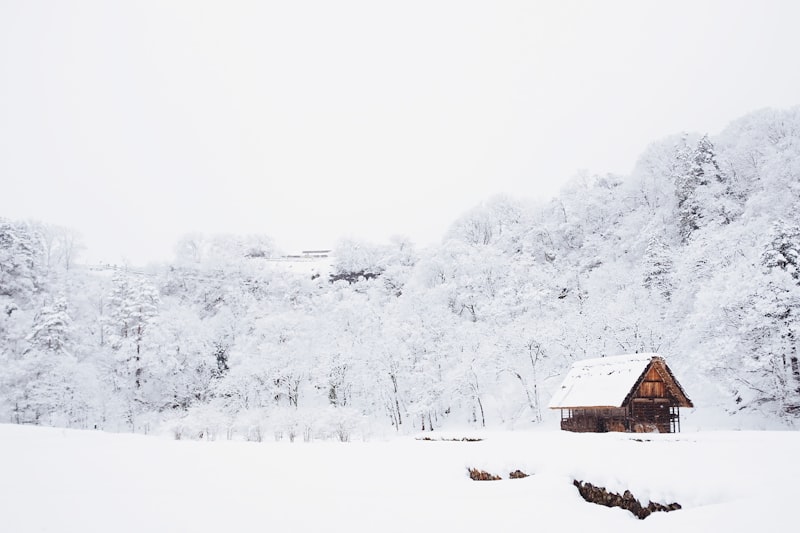
Stay Open or Close?
Factors to consider:
- Market demand (winter tourism, ski areas, business travel)
- Revenue vs. operating costs
- Freeze risk and climate
- Your availability for issues
- Insurance requirements
Year-round operation makes sense when:
- Steady winter demand exists
- Property well-suited for winter
- Local support available
- Revenue exceeds added costs
Seasonal closure makes sense when:
- Minimal winter demand
- Severe freeze risk
- Remote location
- High heating costs relative to revenue
Heating System Preparation
Pre-Winter HVAC Service
Professional service should include:
- Filter replacement
- Thermostat calibration
- Heat exchanger inspection
- Pilot light/ignition check
- Safety control testing
- Carbon monoxide testing
- Efficiency assessment
Schedule: At least 4-6 weeks before cold weather
Thermostat Management
For occupied property:
- Smart thermostat essential
- Set minimum temperature (55-60°F)
- Remote monitoring capability
- Alert for temperature drops
- Guest override limits considered
For vacant periods:
- Maintain minimum 55°F
- Monitor remotely
- Consider freeze alerts
- Backup heating plan
Emergency Heating
Backup options:
- Portable electric heaters (strategically placed)
- Fireplace or wood stove (if available)
- Emergency contact for HVAC issues
- Backup HVAC service relationship
Plumbing Protection
Understanding Freeze Risk
Vulnerable areas:
- Exterior walls
- Unheated spaces (garages, crawl spaces)
- Under sinks on exterior walls
- Pipes in attic
- Outdoor faucets
- Irrigation systems
Active Properties: Freeze Prevention
Strategies:
- Maintain minimum heat (55°F+)
- Open cabinet doors during cold snaps
- Insulate vulnerable pipes
- Heat tape on high-risk pipes
- Allow faucets to drip in extreme cold
- Ensure adequate insulation
Seasonal Closure: Full Winterization
Complete water system shutdown:
- Turn off main water supply
- Open all faucets (hot and cold)
- Flush all toilets
- Drain water heater
- Blow out lines with compressed air
- Add RV antifreeze to traps
- Drain washing machine and dishwasher
- Disconnect and drain outdoor hoses
- Winterize irrigation system
Professional winterization recommended if you’re not experienced with this process.
Pool and Hot Tub
Hot tub winterization (if closing):
- Drain completely
- Blow out lines
- Remove and store filter
- Secure cover
- Disconnect power
Pool winterization:
- Lower water level
- Winterize plumbing
- Balance chemistry
- Install winter cover
- Protect equipment
Or: Professional service to handle properly
Exterior Preparation
Gutters and Drainage
Clear before winter:
- Remove leaves and debris
- Check downspout flow
- Ensure proper drainage away from foundation
- Install gutter guards if appropriate
Roof Inspection
Check for:
- Missing or damaged shingles
- Flashing integrity
- Vent pipe seals
- Ice dam risk areas
- Attic insulation adequacy
Outdoor Furniture and Equipment
Winterize:
- Store or cover furniture
- Store cushions indoors
- Protect grills
- Secure loose items
- Store water toys and equipment
- Protect or store planters
Deck and Patio
Prepare:
- Clear debris
- Check for damage before freeze
- Apply sealant if needed before cold
- Remove standing water risks
- Secure railings
Landscaping
Winter prep:
- Final mowing and cleanup
- Trim branches near structures
- Protect sensitive plants
- Mulch beds
- Clear pathways for safety
Door and Window Sealing
Weather Stripping
Inspect and replace:
- All exterior doors
- Windows (operable)
- Garage doors
- Attic access
- Any air leaks
Draft Prevention
Seal gaps:
- Caulk around windows
- Seal penetrations
- Address basement/crawl space air leaks
- Check fireplace damper
Window Preparation
Consider:
- Storm windows (if applicable)
- Interior window film
- Thermal curtains
- Window well covers
Guest Comfort and Safety
Winter Amenities
Essentials:
- Extra blankets
- Space heaters (safe models, if appropriate)
- Fireplace supplies (if applicable)
- Ice scraper and snow brush
- Ice melt for walkways
- Warm welcome (literally—heat on before arrival)
Safety Equipment
Winter-specific:
- Working smoke detectors
- Carbon monoxide detectors (essential with heating)
- Fire extinguisher
- Flashlights for power outages
- Emergency contact information
Guest Communication
Winter-specific information:
- Thermostat operation
- Fireplace instructions (if applicable)
- Emergency heating procedures
- Freeze prevention tips
- Local winter weather resources
- Ice and snow policies
Snow and Ice Management
Your responsibilities:
- Walkway clearing plan
- Driveway management
- Roof snow removal (if needed)
- Clear expectations with guests
Options:
- Hire snow removal service
- Clear between guests
- Provide tools for guests
- Set expectations in listing
Emergency Preparedness
Power Outage Planning
Prepare for:
- Backup heat source
- Flashlights and batteries
- Emergency contact list
- Generator (if appropriate for property)
- Freeze prevention during outage
Pipe Freeze Response
If pipes freeze:
- Keep faucets open
- Apply gentle heat to frozen area
- Never use open flame
- Check for cracks when thawed
- Call plumber if needed
If pipes burst:
- Shut off main water immediately
- Document damage
- Contact emergency plumber
- File insurance claim
- Professional water damage restoration
Emergency Contacts
Have ready:
- Plumber (24-hour emergency)
- HVAC service
- Electrician
- Snow removal
- Property manager/neighbor
- Insurance company
Insurance Considerations
Winter Coverage
Verify:
- Freeze damage coverage
- Vacancy limitations
- Heating requirements
- Monitoring requirements
Documentation
Maintain records:
- Winterization actions taken
- Service performed
- Temperature monitoring logs
- Pre-winter inspection notes
Seasonal Maintenance Schedule
Early Fall (September-October)
- Schedule HVAC service
- Inspect roof
- Clean gutters
- Check weather stripping
- Inspect fireplace/chimney
- Test heating system
Late Fall (November)
- Complete HVAC service
- Final gutter cleaning
- Drain outdoor faucets
- Winterize irrigation
- Store outdoor furniture
- Stock winter supplies
Winter Ongoing
- Monitor temperatures remotely
- Check for ice dams
- Clear snow as needed
- Respond to cold weather alerts
- Check on vacant property
- Maintain guest communication
Early Spring
- Inspect for winter damage
- De-winterize if closed
- Check roof for damage
- Service HVAC (pre-cooling season)
- Resume outdoor maintenance
Costs and Budgeting
Winterization Costs
Typical expenses:
- HVAC service: $100-$200
- Professional winterization (if closing): $150-$400
- Weather stripping/caulk: $50-$100
- Snow removal (seasonal): $500-$2,000
- Increased heating costs
- Winter supplies: $50-$100
Cost of Not Winterizing
Potential damage:
- Burst pipes: $5,000-$25,000+
- Heating failure damage: Varies widely
- Ice dam damage: $1,000-$10,000
- Lost bookings: Revenue impact
Proper winterization protects your investment. Learn how our management approach handles seasonal property care.
How Much Could Your Property Earn?
Get a free, instant estimate of your vacation rental income potential. No obligation, no waiting.
Powered by real market data from Airbtics, a trusted short-term rental analytics platform.
Property Address
Enter your property address to get started