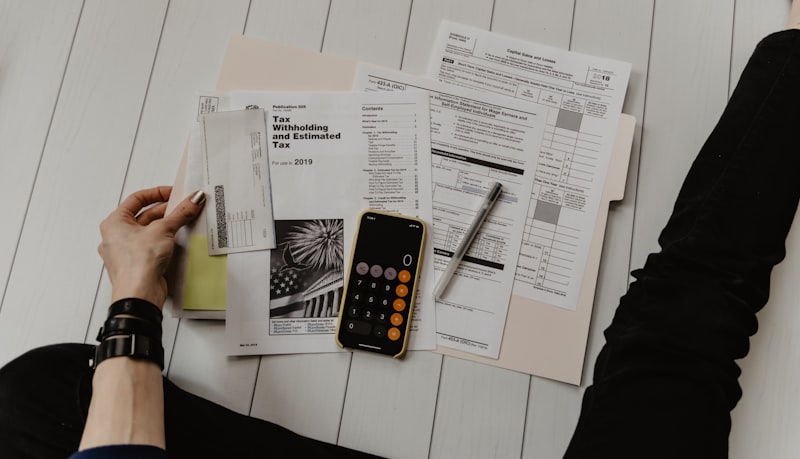
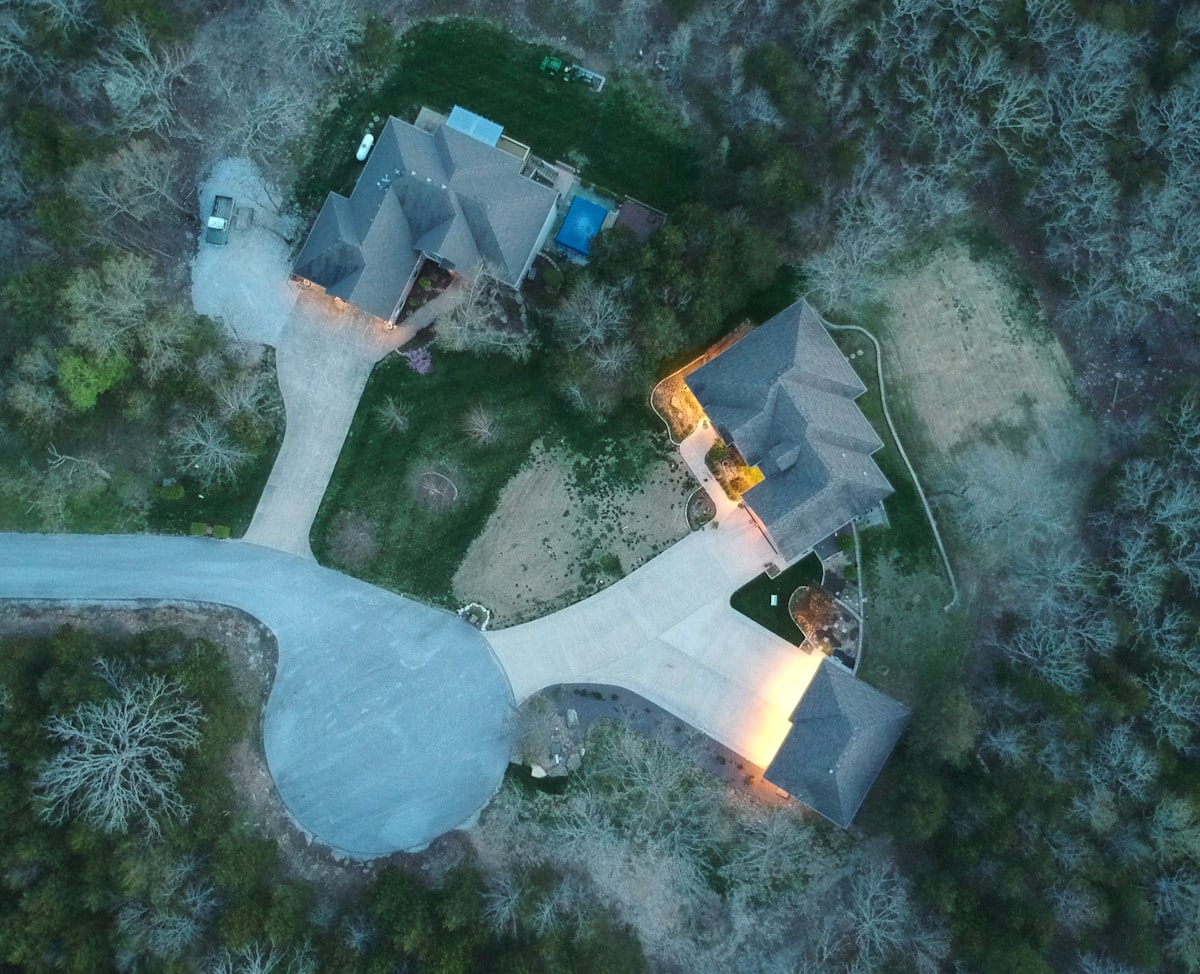
Vacation rentals experience more wear than regular homes. More guests mean more use of appliances, fixtures, and systems. Without proactive maintenance, small issues become expensive repairs and unhappy guests.
This guide provides a systematic approach to keeping your property in top condition.
Why Preventive Maintenance Matters

The Cost of Reactive Maintenance
Waiting until things break is expensive:
| Scenario | Preventive Cost | Reactive Cost |
|---|---|---|
| HVAC filter replacement | $20/month | $5,000+ system replacement |
| Water heater flush | $100/year | $1,500+ emergency replacement + guest refund |
| Roof inspection | $200/year | $10,000+ water damage repair |
| Dryer vent cleaning | $100/year | Fire risk + $500+ motor replacement |
Every dollar spent on prevention saves multiple dollars in repairs.
Guest Experience Impact
Maintenance issues affect guest satisfaction:
- Broken appliances during stays lead to complaints
- HVAC failures in extreme weather create emergencies
- Plumbing issues cause major disruptions
- Small annoyances accumulate into negative reviews
Well-maintained properties earn better reviews and command higher rates.
Property Value Protection
Deferred maintenance degrades property value over time. Regular care:
- Extends life of major systems
- Prevents cascading failures
- Maintains aesthetic condition
- Protects resale value
The Maintenance Calendar
Monthly Tasks
Exterior:
- Walk the property perimeter
- Check for standing water or drainage issues
- Clear debris from gutters and drains
- Inspect entry points for pests
HVAC:
- Replace or clean air filters
- Check thermostat operation
- Listen for unusual sounds
Plumbing:
- Run water in seldom-used fixtures
- Check under sinks for leaks
- Test water pressure
- Clear any slow drains
Safety:
- Test smoke detectors
- Test carbon monoxide detectors
- Check fire extinguisher access
- Verify emergency lighting works
General:
- Check for burned-out bulbs
- Test all door locks
- Inspect windows and seals
- Look for signs of pests
Quarterly Tasks
Deep Cleaning:
- HVAC vents and returns
- Refrigerator coils
- Oven deep clean
- Dishwasher cleaning cycle
- Washing machine cleaning
Exterior:
- Gutter cleaning
- Window washing
- Pressure wash walkways and deck
- Trim vegetation near structures
Systems:
- Test all appliances through full cycles
- Check caulking in bathrooms and kitchen
- Inspect grout condition
- Test GFCI outlets
Furniture and Fixtures:
- Tighten loose screws and handles
- Touch up paint chips
- Check furniture for stability
- Inspect mattresses and bedding
Bi-Annual Tasks (Spring and Fall)
Spring:
- HVAC service before cooling season
- Check screens and repair holes
- Inspect roof for winter damage
- Service outdoor furniture
- Check irrigation system
- Test outdoor outlets and lighting
- Pressure wash exterior
Fall:
- HVAC service before heating season
- Winterize irrigation
- Clean and store outdoor furniture
- Inspect weatherstripping
- Check insulation in accessible areas
- Service fireplace/chimney
- Seal gaps and cracks
Annual Tasks
Professional Inspections:
- Roof inspection
- HVAC full system check
- Plumbing inspection
- Electrical system check
- Pest inspection
- Chimney inspection (if applicable)
- Pool/hot tub inspection (if applicable)
Major Cleaning:
- Carpet deep cleaning
- Upholstery cleaning
- Dryer vent cleaning
- Duct cleaning (every 2-3 years)
System Maintenance:
- Water heater flush
- Garage door service
- Septic system pump (every 3-5 years)
- Hot tub drain and refill
Common Problem Areas
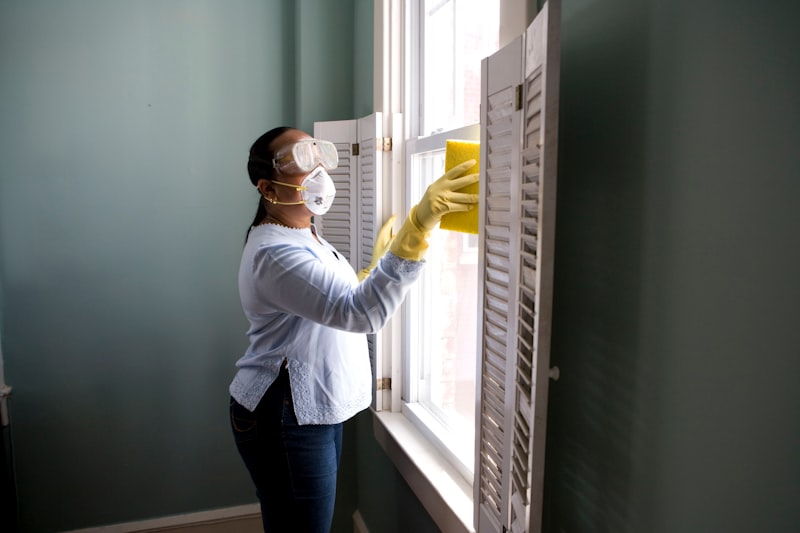
HVAC Systems
Vacation rentals stress HVAC systems with frequent temperature changes and guest adjustments.
Prevent problems by:
- Locking thermostats to reasonable ranges
- Changing filters more frequently than residential
- Scheduling tune-ups before peak seasons
- Keeping outdoor units clear of debris
Warning signs:
- Increasing energy bills
- Uneven temperatures
- Unusual sounds or smells
- Short cycling (turning on/off frequently)
Plumbing
Guest use can be harder on plumbing than owner use.
Prevent problems by:
- Providing clear instructions (what not to flush)
- Installing drain catches
- Using septic-safe products if applicable
- Regular drain maintenance
Warning signs:
- Slow drains (clear before they clog)
- Water stains (indicate hidden leaks)
- Running toilets (wastes water, annoys guests)
- Water pressure changes
Appliances
Appliances in vacation rentals work harder and face more varied users.
Prevent problems by:
- Providing clear operation instructions
- Cleaning regularly per manufacturer specs
- Not overloading washers/dishwashers
- Replacing before failure when possible
Typical lifespans in vacation rentals:
| Appliance | Residential Lifespan | Vacation Rental Lifespan |
|---|---|---|
| Refrigerator | 15-20 years | 8-12 years |
| Dishwasher | 10-12 years | 5-8 years |
| Washer | 10-12 years | 5-8 years |
| Dryer | 12-15 years | 7-10 years |
| Microwave | 10 years | 5-7 years |
Plan replacements before failures cause guest disruption.
Exterior and Landscaping
Curb appeal matters for first impressions and photos.
Maintain regularly:
- Lawn care (mowing, edging)
- Shrub and tree trimming
- Mulch refreshing
- Deck and patio cleaning
- Exterior paint touch-ups
Watch for:
- Dead or dying plants
- Drainage issues
- Foundation cracks
- Wood rot on decks or trim
- Fence damage
Building Your Maintenance Team

Essential Contacts
Every vacation rental owner needs reliable professionals:
Emergency (24-hour availability):
- Plumber
- Electrician
- HVAC technician
- Locksmith
- Glass repair
Regular service:
- Handyman
- Landscaper
- Pest control
- Cleaning service
- Pool/hot tub service (if applicable)
Finding Reliable Professionals
How to find good help:
- Ask other vacation rental owners for referrals
- Check reviews and references
- Start with small jobs to test reliability
- Pay fairly and promptly
- Build relationships over time
What makes a good vacation rental vendor:
- Understands urgency of guest issues
- Flexible scheduling
- Communicates clearly
- Charges fairly
- Reliable and consistent
Managing Vendors
Keep vendors effective:
- Clear expectations upfront
- Written quotes before work
- Documentation of all work
- Regular review of quality
- Prompt payment for good work
- Backup vendors for critical services
The Turnover Inspection
What to Check Every Turnover
Between guests, inspect for issues:
Quick visual check:
- Any obvious damage or stains
- Appliances functioning
- HVAC operating
- Lights and fixtures working
- Locks and access functioning
What cleaners should report:
- Damage or excessive wear
- Missing items
- Maintenance needs
- Supply shortages
- Guest left items
Documenting Condition
Maintain records:
- Photos after each turnover
- Notes on any issues found
- Tracking of wear patterns
- Guest damage claims
- Maintenance performed
This documentation helps with:
- Insurance claims
- Damage recovery
- Maintenance planning
- Property management
Budgeting for Maintenance
The 1% Rule
A common guideline: budget 1% of property value annually for maintenance and repairs.
For a $300,000 property: $3,000/year or $250/month
This covers:
- Routine maintenance
- Minor repairs
- Some replacement reserves
This doesn’t cover:
- Major system replacements
- Storm damage
- Significant renovations
Replacement Reserves
Beyond routine maintenance, reserve for major replacements:
| Item | Typical Cost | Lifespan | Annual Reserve |
|---|---|---|---|
| Roof | $10,000 | 20 years | $500 |
| HVAC | $5,000 | 15 years | $333 |
| Water heater | $1,500 | 10 years | $150 |
| Appliances (total) | $5,000 | 10 years | $500 |
Total: ~$1,500/year in replacement reserves
Tracking Expenses
Maintain records of all maintenance:
- Date and description of work
- Cost
- Vendor used
- Warranty information
- Next scheduled service
This helps:
- Budget accurately
- Identify recurring problems
- Document for taxes
- Plan future expenses
When DIY vs. When to Call Pros
Safe for DIY
If you’re handy:
- Filter changes
- Minor caulking
- Drain clearing
- Light bulb replacement
- Small touch-up painting
- Fixture tightening
- Basic appliance cleaning
Always Call Professionals
Some jobs require licensed professionals:
- Electrical work
- Gas appliances
- Structural issues
- Roof work
- Major plumbing
- HVAC repairs
- Anything requiring permits
Attempting professional work yourself risks:
- Personal injury
- Property damage
- Code violations
- Insurance issues
- Liability exposure
Property maintenance is an ongoing responsibility of vacation rental ownership. Learn how our management approach handles maintenance systematically to protect your investment.
How Much Could Your Property Earn?
Get a free, instant estimate of your vacation rental income potential. No obligation, no waiting.
Powered by real market data from Airbtics, a trusted short-term rental analytics platform.
Property Address
Enter your property address to get started