Sustainability in vacation rentals isn’t just about environmental responsibility—it’s increasingly about guest expectations, cost savings, and competitive positioning. More travelers seek eco-conscious accommodations, and sustainable practices often reduce operating costs.
This guide covers practical sustainability measures for vacation rental owners.
Why Sustainability Matters
Guest Demand
Growing traveler preferences:
- Eco-conscious travelers actively seek sustainable options
- Younger demographics prioritize environmental impact
- Sustainability increasingly factors in booking decisions
- Premium positioning possible for green properties
Cost Reduction
Sustainability often saves money:
- Energy efficiency reduces utility costs
- Water conservation lowers bills
- Durable goods reduce replacement frequency
- Waste reduction decreases disposal costs
Competitive Advantage
Market positioning:
- Differentiation from standard listings
- Attracts specific traveler segments
- Positive review mentions
- Brand alignment opportunity
Regulatory Trends
Increasing requirements:
- Energy efficiency standards
- Water use regulations
- Waste management requirements
- Building code updates
Energy Efficiency
Lighting
LED conversion:
- Replace all bulbs with LED
- 75-80% energy reduction
- 10-25 year lifespan
- Improved light quality
Smart lighting:
- Motion sensors in common areas
- Timers for outdoor lighting
- Dimmers for ambiance and savings
- Occupancy-based automation
Heating and Cooling
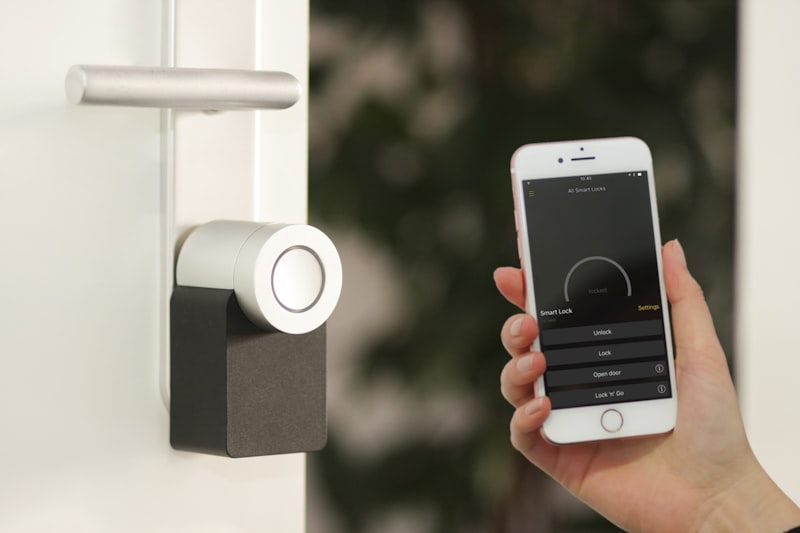
Thermostat optimization:
- Smart thermostats save 10-15%
- Programmable setback schedules
- Occupancy detection
- Remote monitoring
HVAC efficiency:
- Regular filter changes
- Annual professional service
- Seal duct leaks
- Proper insulation
Temperature guidelines:
- Provide guests with efficiency tips
- Set reasonable defaults
- Ceiling fans for circulation
- Window treatments for insulation
Appliances
Energy Star equipment:
- Refrigerators
- Dishwashers
- Washing machines
- Dryers
- Water heaters
Efficient practices:
- Right-sized appliances
- Full load encouragement
- Energy-saving settings
- Regular maintenance
Water Heating
Efficiency options:
- Tankless water heaters
- Heat pump water heaters
- Solar water heating
- Insulated tank and pipes
Renewable Energy
Possibilities:
- Solar panels
- Solar water heating
- Green energy purchasing
- Carbon offset programs
Considerations:
- Local incentives
- Installation costs
- Payback period
- Property suitability
Water Conservation
Fixtures
Low-flow options:
- Showerheads (1.5-2.0 GPM vs. 2.5 GPM standard)
- Faucet aerators
- Dual-flush toilets
- Efficient dishwashers and washers
Savings potential:
- 20-40% water reduction
- Lower water and sewer bills
- Reduced water heating costs
Landscaping
Water-wise approach:
- Native and drought-tolerant plants
- Efficient irrigation systems
- Drip irrigation where appropriate
- Rain sensors on irrigation
- Mulching to retain moisture
Alternatives:
- Artificial turf in dry climates
- Rock and hardscape
- Ground covers vs. lawn
- Xeriscaping
Guest Communication
Encourage conservation:
- Towel reuse program
- Efficient water use tips
- Information on local water issues
- Visible conservation reminders
Leak Prevention
Proactive maintenance:
- Regular fixture checks
- Toilet leak detection
- Water meter monitoring
- Quick repair protocol
Waste Reduction
Recycling Program
Set up for success:
- Clear recycling bins
- Simple sorting instructions
- Local recycling guidelines
- Convenient bin placement
Composting
Where feasible:
- Countertop compost bin
- Outdoor compost system
- Local compost pickup
- Clear instructions for guests
Reducing Single-Use Items
Eliminate or reduce:
- Single-use toiletries → refillable dispensers
- Plastic water bottles → filtered water pitcher
- Paper products → cloth alternatives
- Plastic bags → reusable options
Bulk Purchasing
Reduce packaging:
- Bulk cleaning supplies
- Refillable dispensers
- Concentrated products
- Minimal packaging preference
Donation and Reuse
Extend item life:
- Donate usable furniture and goods
- Textile recycling programs
- Electronic recycling
- Habitat for Humanity ReStore
Sustainable Supplies and Products

Cleaning Products
Eco-friendly options:
- Non-toxic cleaners
- Biodegradable products
- Concentrated formulas
- Local and sustainable brands
Considerations:
- Effectiveness still matters
- Guest sensitivities
- Cleaning team preferences
- Cost comparison
Toiletries
Sustainable approaches:
- Refillable dispensers (wall-mounted or countertop)
- Quality eco-friendly products
- Local or sustainable brands
- Minimal packaging
Linens and Textiles
Sustainable choices:
- Organic cotton
- Bamboo textiles
- Fair trade products
- Durable quality (longer replacement cycle)
Furniture and Decor
Sustainable sourcing:
- Reclaimed and vintage pieces
- FSC-certified wood
- Local artisan products
- Durable over disposable
Building and Maintenance
Insulation and Efficiency
Improvements:
- Attic insulation
- Wall insulation
- Window efficiency
- Door sealing
- Thermal curtains
Materials
When renovating:
- Low-VOC paints
- Sustainable flooring
- Recycled materials
- Local sourcing
Maintenance Practices
Sustainable approach:
- Preventive maintenance extends life
- Repair vs. replace when possible
- Proper disposal of materials
- Energy-efficient replacements
Guest Experience
Communication
How to share your practices:
- Welcome book section on sustainability
- Simple instructions for recycling/composting
- Energy conservation tips
- Local environmental information
Tone:
- Inviting, not preachy
- Practical, not burdensome
- Appreciative, not demanding
- Educational, not condescending
Amenities
Eco-friendly additions:
- Bicycles for guest use
- Local transit information
- Electric vehicle charging
- Outdoor gear (kayaks, paddleboards)
Local Experiences
Sustainable recommendations:
- Local and organic restaurants
- Farmers markets
- Eco-tourism activities
- Conservation areas
- Sustainable businesses
Measuring and Communicating Impact
Tracking Metrics
What to measure:
- Utility consumption (energy, water, gas)
- Waste volume
- Supply usage
- Cost savings
How to track:
- Monthly utility comparison
- Year-over-year analysis
- Per-guest-night calculations
- Improvement documentation
Communicating to Guests
Listing integration:
- Highlight sustainable features
- Eco-friendly badge/certification pursuit
- Specific practices mentioned
- Honest, accurate claims
Avoid greenwashing:
- Only claim what you actually do
- Be specific, not vague
- Continuous improvement messaging
- Acknowledge areas for growth
Certifications
Potential certifications:
- Green Key certification
- LEED (for major renovations)
- Local sustainability programs
- Platform-specific eco badges
Cost-Benefit Analysis
High-Impact, Low-Cost
| Initiative | Cost | Annual Savings | Payback |
|---|---|---|---|
| LED lighting | $50-$200 | $50-$150 | 1-2 years |
| Low-flow showerheads | $20-$50 | $30-$75 | <1 year |
| Smart thermostat | $100-$250 | $100-$200 | 1-2 years |
| Refillable dispensers | $50-$100 | $50-$100 | 1 year |
Medium Investment
| Initiative | Cost | Annual Savings | Payback |
|---|---|---|---|
| Energy Star appliances | $500-$2,000 | $100-$300 | 3-7 years |
| Dual-flush toilets | $200-$400 | $50-$100 | 3-5 years |
| Smart irrigation | $200-$500 | $100-$200 | 2-4 years |
Larger Investments
| Initiative | Cost | Considerations |
|---|---|---|
| Solar panels | $10,000-$25,000 | Tax incentives, 7-12 year payback |
| Tankless water heater | $2,000-$4,000 | Energy savings, space savings |
| Major insulation | $2,000-$5,000 | Comfort improvement, energy savings |
Getting Started
Phase 1: Quick Wins
- LED lighting conversion
- Low-flow fixture installation
- Smart thermostat setup
- Recycling program implementation
- Refillable toiletry dispensers
Phase 2: Operational Changes
- Eco-friendly cleaning products
- Sustainable supply sourcing
- Water-wise landscaping
- Guest communication updates
- Energy monitoring
Phase 3: Larger Improvements
- Appliance upgrades
- Insulation improvements
- Renewable energy consideration
- Major fixture upgrades
- Certification pursuit
Sustainable practices benefit your property and the environment. Learn how our management approach incorporates sustainable operations.
How Much Could Your Property Earn?
Get a free, instant estimate of your vacation rental income potential. No obligation, no waiting.
Powered by real market data from Airbtics, a trusted short-term rental analytics platform.
Property Address
Enter your property address to get started