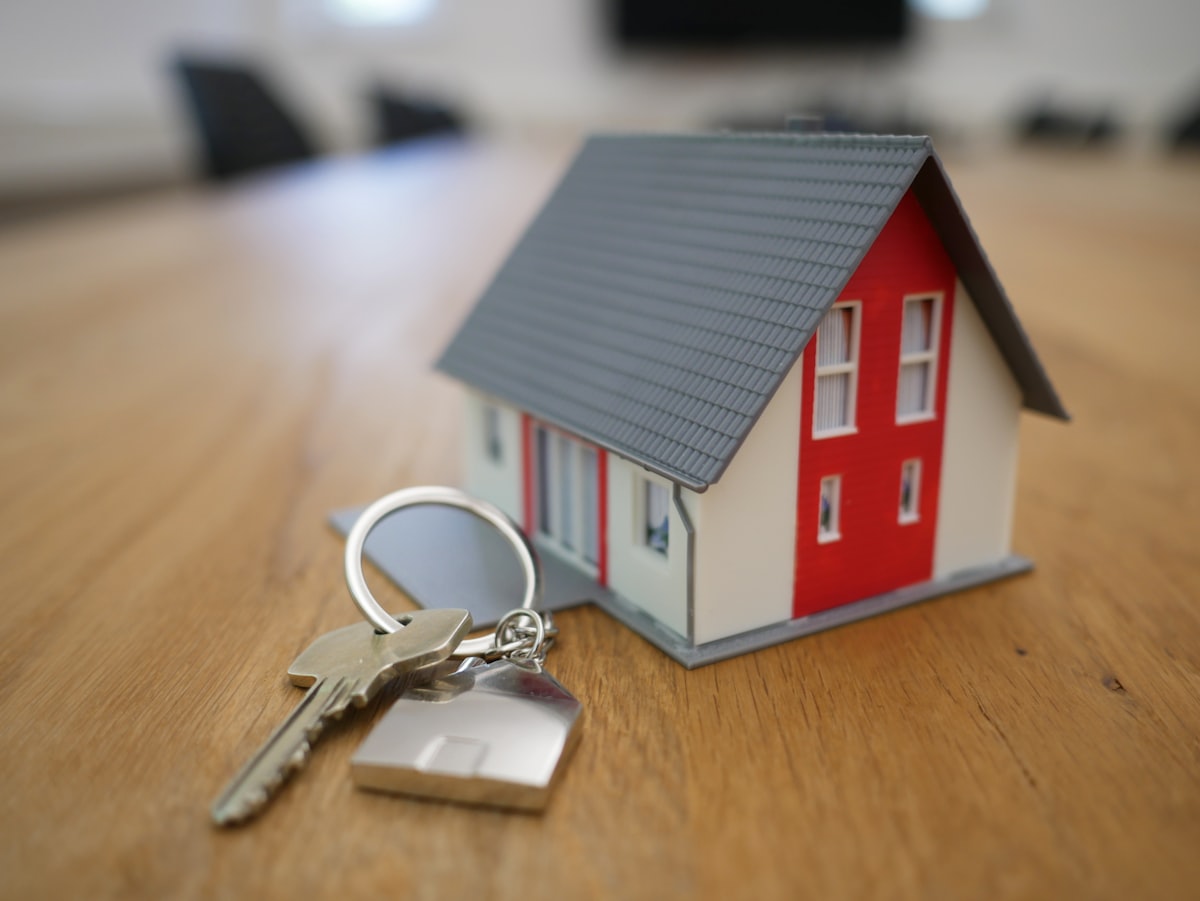
Great interior design separates memorable vacation rentals from forgettable ones. A well-designed space photographs beautifully, creates emotional connection with potential guests, and delivers an experience worth reviewing positively.
You don’t need a professional designer or unlimited budget. You need intention, consistency, and understanding of what makes spaces work for short-term rental guests.
Design Principles for Vacation Rentals
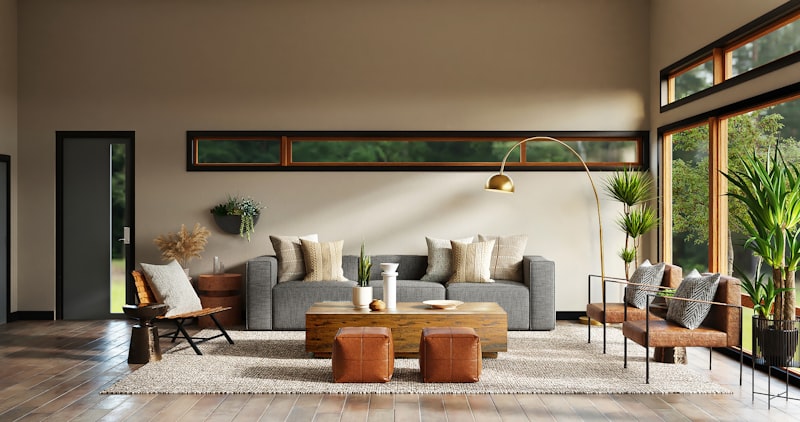
Form Follows Function
Vacation rental design must serve guests, not just look good.
Guests need:
- Comfortable sleeping
- Functional cooking space
- Relaxation areas
- Work capability (increasingly)
- Easy navigation
- Storage for their belongings
Design decisions should ask: Will this make the guest experience better?
Cohesion Over Perfection
A cohesive design with budget pieces beats expensive randomness.
Cohesion means:
- Consistent color palette throughout
- Matching or complementary style
- Unified lighting approach
- Intentional, not accidental feel
Guests notice when things feel “put together.” They don’t notice brand names.
Photography-Ready Spaces
Your design must photograph well—photos sell bookings.
Design for photos:
- Clean lines photograph better than clutter
- Consistent colors create visual harmony
- Focal points draw the eye
- Natural light is your friend
- Symmetry and balance work on camera
Durability Matters
Vacation rentals take more wear than typical homes.
Choose:
- Cleanable fabrics (performance materials)
- Solid furniture construction
- Wipeable surfaces
- Stain-resistant materials
- Replaceable items
Choosing Your Design Style
Popular Styles for Vacation Rentals
Modern/Contemporary:
- Clean lines, minimal clutter
- Neutral base with accent colors
- Works in urban and upscale settings
- Photographs extremely well
- Easy to maintain consistency
Coastal/Beach:
- Light colors, natural textures
- Blues, whites, sandy tones
- Relaxed, vacation feeling
- Perfect for waterfront properties
- Universally appealing
Rustic/Cabin:
- Wood tones, natural materials
- Warm, cozy feeling
- Works for mountain/rural properties
- Durable materials
- Timeless appeal
Farmhouse:
- Warm neutrals, vintage touches
- Comfortable, homey feeling
- Works in rural and suburban settings
- Very popular current trend
- Mix of old and new
Mid-Century Modern:
- Retro-inspired, distinctive
- Bold accent colors possible
- Appeals to design-conscious guests
- Photographically striking
- Requires more intention to execute
Matching Style to Property
Consider:
- Property architecture
- Location and setting
- Target guest demographic
- Local character
- Your maintenance capacity
A beachfront property should feel beachy. A downtown loft should feel urban. Let the property guide the style.
Color Strategy
The Foundation: Neutral Base
Start with neutral walls, major furniture, and flooring:
- Whites and off-whites
- Warm grays
- Soft beiges
- Greige (gray-beige)
Why neutrals:
- Timeless (won’t date quickly)
- Photograph well
- Appeal broadly
- Easy to update accents
- Hide wear better
Adding Color Through Accents
Layer color through:
- Throw pillows
- Artwork
- Rugs
- Decorative objects
- Towels and linens
- Small furniture pieces
Accent color approach:
- Choose 1-2 accent colors
- Repeat them throughout
- Keep proportions balanced
- Easy to change seasonally
Color by Style
| Style | Base Colors | Accent Colors |
|---|---|---|
| Modern | White, gray | Black, single bold color |
| Coastal | White, sand | Navy, turquoise, coral |
| Rustic | Cream, brown | Forest green, rust, navy |
| Farmhouse | White, beige | Black, sage, dusty blue |
Room-by-Room Design Guide
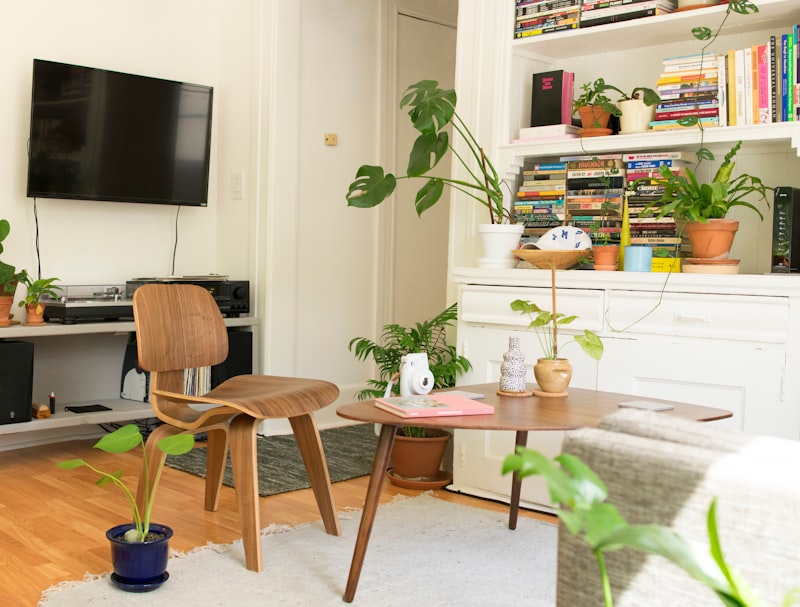
Living Room
The most photographed and most used space.
Priorities:
- Comfortable seating for max guests
- Focal point (fireplace, view, TV)
- Good lighting variety
- Coffee table functionality
- Visual warmth
Essentials:
- Sofa (quality, durable fabric)
- Seating for full capacity
- Coffee table
- TV setup
- Adequate lighting
- Rug to anchor space
- Minimal, intentional decor
Bedrooms
Sleep quality drives reviews.
Priorities:
- Comfortable bed (invest here)
- Quality bedding (white photographs best)
- Nightstands with lighting
- Luggage storage
- Closet access
- Window treatments for darkness
Design tips:
- Headboard creates visual anchor
- Matching nightstands for symmetry
- Adequate pillows (2+ per person)
- Simple, clean aesthetic
- One or two art pieces
Kitchen
Functionality first, style second.
Priorities:
- All necessary equipment
- Clean, uncluttered counters
- Adequate storage
- Good lighting
- Easy cleaning
Design elements:
- Clear counters for photos
- Coordinated small appliances
- Matching dish sets
- Organized, visible storage
- Simple decorative touches (plant, cutting board)
Bathrooms
Cleanliness impression is everything.
Priorities:
- Spotless appearance
- Good lighting
- Fresh, coordinated towels
- Quality toiletries
- Adequate storage
Design tips:
- White towels (hotel standard)
- Matching accessories
- Plants add life (real or quality fake)
- Minimal counter clutter
- Good mirror and lighting
Outdoor Spaces
Often the selling point—design matters here too.
Priorities:
- Comfortable seating
- Dining option
- Shade if needed
- Evening lighting
- Maintained landscaping
Design considerations:
- Weather-resistant furniture
- Cohesive with interior style
- Create conversation areas
- Don’t overcrowd
Furniture Selection
Quality Indicators
Look for:
- Solid construction (not wobbly)
- Durable frame materials
- Reinforced joints
- Cleanable fabrics
- Proven durability reviews
Avoid:
- Particle board (warps, breaks)
- Delicate fabrics
- White upholstery (stains)
- Trendy pieces that will date
- Anything too precious for rental use
Sourcing Furniture
Budget options:
- IKEA (select items hold up well)
- Wayfair (read reviews carefully)
- Target (Threshold, Studio McGee lines)
- Amazon (selected items)
- Facebook Marketplace (solid wood)
Mid-range:
- Article
- West Elm
- CB2
- Local furniture stores
Investment pieces:
- Quality sofa
- Mattresses
- Dining table
- Anything used constantly
Rental-Specific Considerations
Choose:
- Performance fabrics (Crypton, Revolution)
- Leather or vinyl (wipeable)
- Dark or patterned rugs (hide stains)
- Solid tables (no glass)
- Commercial-grade when possible
Art and Decor
Art Selection
Good choices:
- Local photography
- Abstract prints
- Nature/landscape
- Simple, neutral subjects
Avoid:
- Controversial subjects
- Religious imagery
- Political content
- Personal photos
- Overly specific taste
Hanging Strategy
- One large piece beats many small ones
- Eye level for main pieces
- Above sofa: art should be 2/3 sofa width
- Group smaller pieces intentionally
Decorative Objects
Less is more:
- 3-5 items per surface maximum
- Vary heights and shapes
- Stick to your color palette
- Each piece should be intentional
Good decor:
- Plants (real or quality fake)
- Books (local interest, coffee table)
- Candles (for display, not burning)
- Simple vases
- Trays for organization
Common Design Mistakes
Too Much Stuff
Clutter doesn’t photograph well and creates cleaning challenges.
No Cohesion
Random furniture and decor looks like a garage sale, not a designed space.
Ignoring Durability
Beautiful but fragile items become maintenance headaches.
Over-Theming
A beach house doesn’t need anchors on every surface. Suggest the theme, don’t shout it.
Forgetting Function
A beautiful chair no one can sit in comfortably isn’t good design.
Dated Choices
Tuscan kitchens, heavy drapes, and ornate furniture feel outdated to most travelers.
Refresh and Update Strategy
Annual Refresh
- Replace worn textiles (towels, bedding)
- Touch up paint
- Update accent pillows
- Refresh bathroom accessories
- Add seasonal touches
Every 2-3 Years
- Consider rug replacement
- Update lighting fixtures
- Refresh artwork
- Evaluate furniture condition
Major Updates (5+ Years)
- Repaint entirely
- Replace major furniture
- Update flooring if needed
- Refresh overall style
Great design enhances guest experience and booking appeal. Learn how our management approach helps properties look their best and earn premium rates.
How Much Could Your Property Earn?
Get a free, instant estimate of your vacation rental income potential. No obligation, no waiting.
Powered by real market data from Airbtics, a trusted short-term rental analytics platform.
Property Address
Enter your property address to get started