

Few things can damage a vacation rental’s reputation faster than bed bugs. A single infestation can result in negative reviews, refund demands, and a cascade of cancelled bookings. The good news: with proper prevention and quick response, most owners never face a serious bed bug problem.
This guide covers everything vacation rental owners need to know—from prevention protocols to emergency response.
Understanding the Threat
Bed bugs don’t discriminate based on cleanliness. Five-star resorts and budget motels face the same risk. These pests hitchhike on luggage, clothing, and secondhand furniture, making short-term rentals particularly vulnerable due to high guest turnover.
Why Vacation Rentals Are at Risk
- Constant turnover: New guests every few days means new opportunities for introduction
- Luggage: The primary vehicle for bed bug transport
- Furniture purchases: Used or discounted furniture can harbor infestations
- Multi-unit buildings: Bugs can travel through walls from neighboring units
What Bed Bugs Are (And Aren’t)
They are:
- Small (4-5mm), flat, reddish-brown insects
- Nocturnal feeders that hide during the day
- Excellent hitchhikers that travel in fabric and crevices
- Resilient—able to survive months without feeding
They are not:
- A sign of poor cleanliness
- Dangerous (they don’t transmit disease)
- Easy to see unless you know where to look
- Capable of flying or jumping
Prevention: Your First Line of Defense
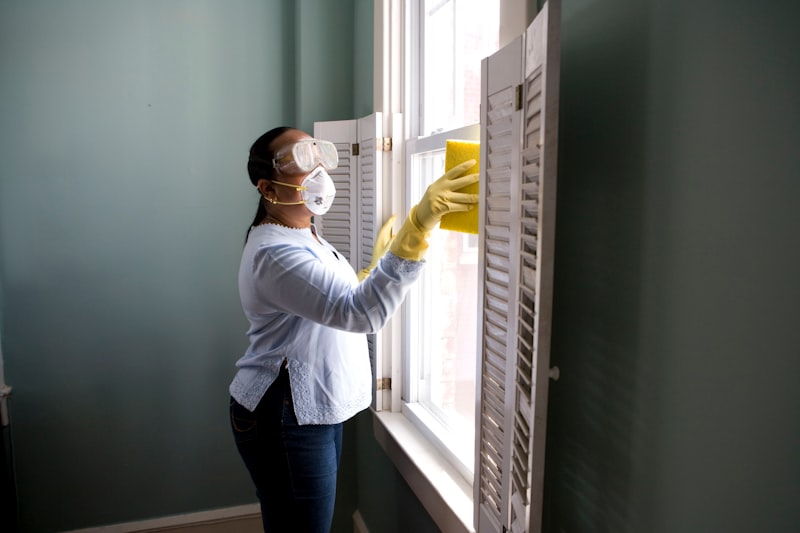
Preventing bed bugs is far easier than eliminating them. Build these practices into your operations.
Between-Guest Inspection Protocol
Train your cleaning team to check these areas during every turnover:
Mattresses and Box Springs:
- Lift the mattress and inspect seams, tags, and piping
- Check the box spring, especially the underside and corners
- Look for live bugs, shed skins, or dark spots (fecal matter)
Bed Frame and Headboard:
- Examine joints, screw holes, and crevices
- Pull headboards away from walls if possible
- Check behind artwork or mirrors near the bed
Upholstered Furniture:
- Inspect seams, cushion crevices, and underneath furniture
- Pay special attention to items near sleeping areas
Baseboards and Outlets:
- Bugs hide in cracks where walls meet floors
- Electrical outlets near beds are common hiding spots
Protective Measures
Mattress and box spring encasements: Purpose-built encasements trap any existing bugs inside (where they’ll eventually die) and make new infestations easier to spot against the light-colored fabric. Quality encasements cost $40-80 per mattress but prevent far more expensive problems.
Bed bug interceptors: Small dishes placed under bed legs that trap bugs attempting to climb up. These cost under $20 per set and serve as an early warning system.
Luggage racks: Provide metal or hard-plastic luggage racks away from beds and walls. Discourage guests from placing luggage on beds or upholstered furniture.
Regular professional inspections: Consider quarterly pest control inspections, even without signs of problems. Early detection saves money.
Furniture Policies
- Never purchase used mattresses for vacation rentals
- Inspect any used or discounted furniture thoroughly before bringing it inside
- Be cautious with furniture from storage units or estate sales
- If accepting owner-provided furniture, inspect before accepting
Detection: Recognizing the Signs
Catching an infestation early limits damage to your property and reputation.
Physical Evidence
| Sign | What It Looks Like | Where to Find It |
|---|---|---|
| Live bugs | Small, flat, reddish-brown | Mattress seams, furniture joints |
| Shed skins | Translucent, bug-shaped | Same locations as live bugs |
| Fecal spots | Dark brown/black dots | Sheets, mattress, walls |
| Blood stains | Small rusty spots | Sheets, pillowcases |
| Eggs | Tiny white ovals (1mm) | Fabric seams, crevices |
Other Indicators
Musty odor: Heavy infestations produce a distinctive sweet, musty smell—often compared to coriander or overripe raspberries.
Guest complaints of bites: Bed bug bites typically appear as small, red, itchy welts in lines or clusters on exposed skin. However, 30% of people don’t react visibly to bites, so absence of complaints doesn’t mean absence of bugs.
What to Do If You Suspect an Infestation
- Don’t panic. Suspicion isn’t confirmation.
- Conduct a thorough inspection of the suspected area.
- Document everything with photos if you find evidence.
- Contain the area by not moving potentially infested items.
- Call a professional for confirmation and treatment assessment.
Response: When Guests Report Bed Bugs
How you handle a bed bug report affects reviews, liability, and your ongoing reputation.
Immediate Response Protocol
Step 1: Take it seriously Thank the guest for reporting and apologize for their discomfort. Don’t dismiss the complaint or become defensive.
Step 2: Offer immediate solutions
- Relocation to another property if available
- Assistance finding alternative accommodations
- Full refund of affected nights at minimum
Step 3: Investigate promptly
- Send someone to inspect within hours, not days
- Document everything with photos
- Don’t enter the unit and risk spreading bugs until you have a plan
Step 4: Bring in professionals Even if your inspection finds nothing, consider professional verification. This protects you if the guest escalates.
Communication Templates
Initial response:
“Thank you for letting us know immediately. I’m very sorry you’ve had this experience. We take this extremely seriously and are sending someone to investigate right away. In the meantime, I’d like to offer [relocation/refund/both]. Your comfort and safety are our priority.”
If confirmed:
“Our inspection confirmed the presence of bed bugs, and I sincerely apologize. We’ve engaged professional pest control and will be taking the property offline until treatment is complete. We’ve processed a full refund for your stay and would like to offer [compensation] for the inconvenience.”
If not confirmed:
“Our professional inspector was unable to find evidence of bed bugs, though we’ve conducted a precautionary treatment regardless. We understand this was distressing and have refunded [X nights] as a gesture of goodwill. We’ve also implemented additional monitoring measures.”
What Not to Do
- Don’t deny the problem without thorough investigation
- Don’t blame the guest (even if they may have brought bugs)
- Don’t attempt DIY treatment as your only response
- Don’t keep booking the property before proper treatment
- Don’t hide the issue from future guests if treatment is ongoing
Treatment: Eliminating an Infestation

Once confirmed, fast and thorough treatment is essential.
Professional Treatment Options
Heat treatment: Professional equipment raises room temperature to 120-135°F for several hours, killing bugs and eggs at all life stages. This is the fastest method (usually one day) but most expensive ($1,500-4,000 per treatment).
Pros: Kills all stages instantly, no chemical residue, can often return to service quickly Cons: Expensive, may damage heat-sensitive items, requires significant preparation
Chemical treatment: Licensed applicators use EPA-registered pesticides in multiple applications over several weeks. Less expensive but requires the property to be offline longer.
Pros: Lower cost, proven effectiveness Cons: Multiple treatments needed, chemical residue concerns, bugs increasingly resistant to some products
Integrated approach: Combines heat, chemicals, and physical methods for maximum effectiveness. Most professionals recommend this approach.
What You Can Do
Between professional treatments:
- Wash and dry all fabrics on the highest heat settings
- Vacuum thoroughly and immediately dispose of the vacuum bag in a sealed container
- Encase mattresses and box springs after treatment
- Reduce clutter that provides hiding spots
- Install interceptors to monitor for survivors
- Inspect regularly for signs of remaining activity
Timeline Expectations
| Treatment Type | Initial Treatment | Follow-up | Return to Service |
|---|---|---|---|
| Heat only | 1 day | Inspection in 2 weeks | 2-3 days |
| Chemical only | 1 day | 2-3 treatments over 4-6 weeks | After final treatment |
| Integrated | 1-2 days | 1-2 follow-ups over 3-4 weeks | After confirmation |
Financial and Legal Considerations
Costs to Plan For
| Item | Typical Cost |
|---|---|
| Professional inspection | $100-250 |
| Heat treatment | $1,500-4,000 |
| Chemical treatment | $500-1,500 (total) |
| Mattress replacement | $500-2,000 |
| Encasements | $40-80 each |
| Lost booking revenue | Varies |
| Guest compensation | 100-200% of affected stay |
Insurance Coverage
Some landlord policies specifically cover bed bug remediation; others exclude it. Review your policy before an issue arises. Consider:
- Does your policy cover treatment costs?
- Does it cover lost rental income during treatment?
- Does it cover guest claims or lawsuits?
- What documentation is required for claims?
Liability Concerns
You could face liability if:
- You knew about an infestation and continued renting
- You failed to respond reasonably to a guest report
- You misrepresented the property’s condition
Protect yourself by:
- Documenting all inspections and treatments
- Responding promptly and professionally to reports
- Maintaining records of pest control contracts
- Taking properties offline when treatment is needed
Building Long-Term Protection
Vendor Relationships
Establish a relationship with a pest control company before you need them. Benefits include:
- Faster response times during emergencies
- Possible contract rates for regular inspections
- A professional who knows your property
Staff Training
Ensure your cleaning team knows:
- What bed bugs look like at all life stages
- Where to inspect during turnovers
- How to report suspicions without causing panic
- What not to do (move items, spray pesticides)
Documentation Systems
Maintain records of:
- Every turnover inspection (even “all clear” reports)
- Any guest complaints, regardless of verification
- Professional inspections and treatments
- Preventive measures installed
This documentation protects you legally and helps identify patterns.
Bed bug prevention is one of many operational details professional managers handle. Learn about our maintenance and inspection protocols and how we protect your property.
How Much Could Your Property Earn?
Get a free, instant estimate of your vacation rental income potential. No obligation, no waiting.
Powered by real market data from Airbtics, a trusted short-term rental analytics platform.
Property Address
Enter your property address to get started